Category Archives: Misc

Beer School

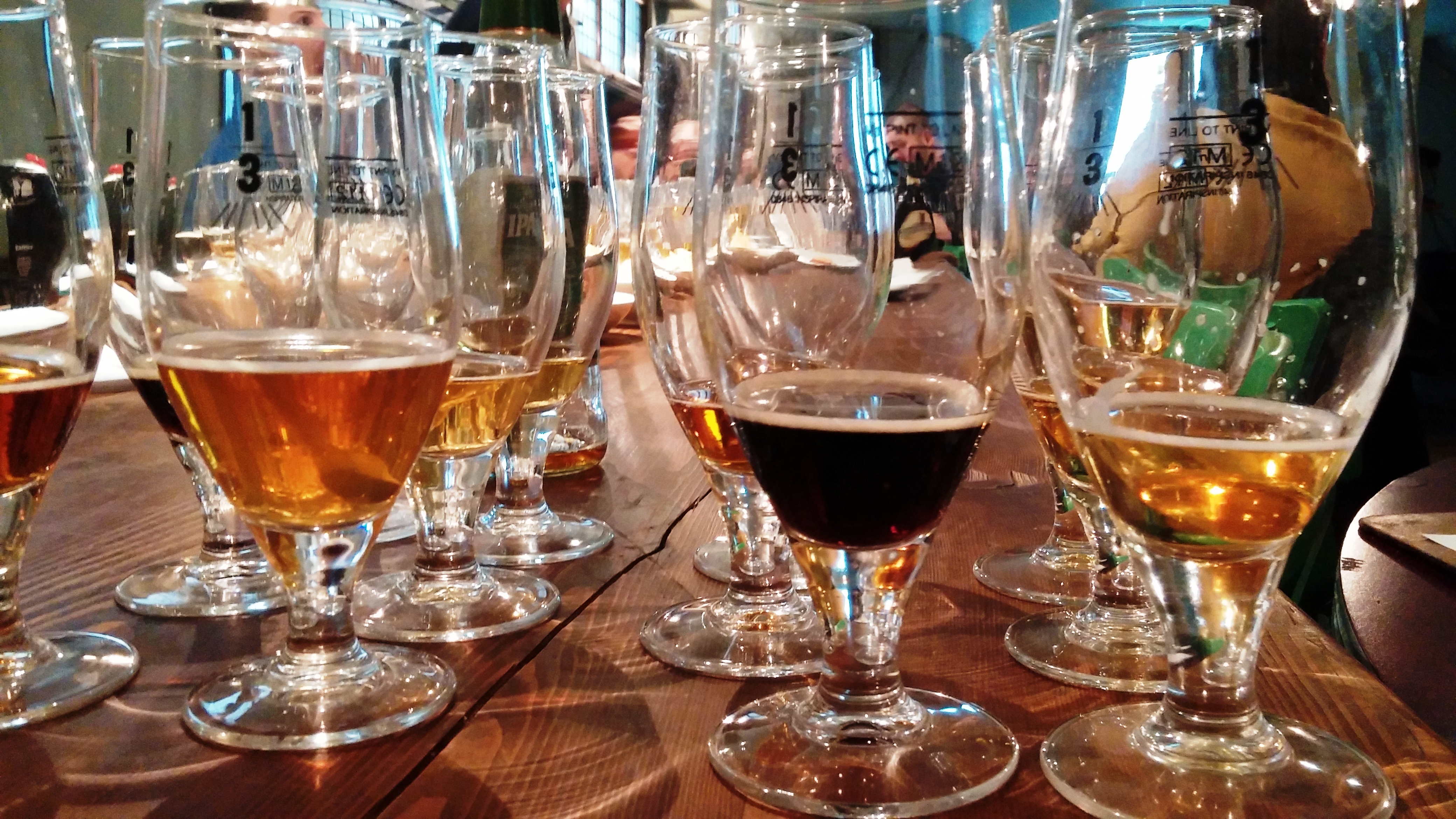
Beer samples

It was a bit different to any other days I’ve ever spent in classrooms.

Sitting in the downstairs room of The Draft House, near Tower Bridge in London, I learned about beer, discussed beer, drank beer and drank beer with food.

Although I’ve enjoyed beer for years, it’s only the past few years, and particularly while living in Italy, that I got more serious about trying to understand it, its history, its many permutations, and how to match it with food. But self-education can only go so far, so moving back to England presented a good opportunity to actually go to beer school, or more precisely attend a course run by The Beer Academy.

Founded in 2003, and part of the IBD (Institute of Brewing and Distilling) since 2007, the Academy has a goal “to enlighten, educate and enthuse candidates about all aspects of beer.”

With two, day-long classes run by brewing industry veteran Ian Swanson, and attended by a variety of knowledgeable people from various corners of the trade (including maltings, hospitality, marketing, and even a representative of the Worshipful Company of Brewers), it was a highly informative experience.

Now I just really need to gen up on my chemistry. Sure, I was pretty good at chemistry at school, but that was 20 years ago, so I really need to study my dimethyl sulphide, acetaldehyde, diacetyl etc before I truly become comfortable about throwing these terms into conversation.

2 Comments

Filed under Ale, beer, Misc

Fornacalia, Fornax and burnt spelt

Bakery of Modestus, Pompeii

Today, I’m thanking Fornax for the batch of granola I’ve just baked.

Although calendars have changed a tad over the millennia, February 17 is apparently – more or less – Fornacalia, the feast day of Fornax. Fornax was one of ancient Rome’s divinities, specifically a goddess associated with the oven.

Although I’m not religious, neither as a follower of living religions or (presumably) defunct ancient Roman practises, I’m interested in religious and mythological stories. And as my oven works so hard for me, it seems only right to at least stop and acknowledge Fornax and Fornacalia. Never mind the act of stopping to acknowledge how fortunate I am to have a working oven, ready fuel and enough food.

The name Fornax is connected with the modern English word “furnace” as well as the modern Italian word forno, which you’ll often see on bakeries*. Fornax was both the name of the oven, kiln or furnace and the name of the personification of these pieces of equipment that were, and are, so fundamentally important for baking bread, cooking, heating, metal working and pottery.

An oven specifically for making bread was called a clibanus. The modern English word focus, meanwhile, is actually the Latin for hearth, fireplace. The picture above is of ancient Roman bakery, with the oven on the left and lava grindstones on the right. It’s the bakery of Modestus in Pompeii, and when it was unearthed, the oven had iron doors in place still with the remains of 81 carbonised loaves of bread behind.

My charred spelt offering

Apparently ancient Romans draped their ovens with garlands and made an offering of spelt, which was itself carbonised in the oven. The former doesn’t seem entirely safe with a modern (-ish) electric and gas affair, but burning I’ve burned a handful of spelt (a suitably ancient form of wheat) while the oven is still hot from the granola. Thanks for all the baked goods Fornax!

Ovid, Fasti
This is from book 2 (February) of Ovid’s six book poem published in 8AD:
“The earth of old was tilled by men unlearned:
war’s hardships wearied their active frames. More
glory was to be won by the sword than by the curved
plough; the neglected farm yielded its master but
a small return. Yet spelt the ancients sowed, and
spelt they reaped; of the cut spelt they offered the
first-fruits to Ceres. Taught by experience they
toasted the spelt on the fire, and many losses they
incurred through their own fault. For at one time
they would sweep up black ashes instead of spelt,
and at another time the fire caught the huts them-
selves. So they made the oven into a goddess of
that name (Fornax) ; delighted with her, the farmers
prayed that she would temper the heat to the corn
committed to her charge. At the present day the
Prime Warden (Curio Maximus) proclaims in a set
form of words the time for holding the Feast of Ovens
(Fornacalia)…”

Fornacalia granola

* There’s some suggestion, like here, that fornax was also related to the word “fornication”. But “Fornacalia” seems to be commonly misspelled “Fornicalia” – by, among others, that blog, and me. But etymolgy of the word “fornication” is in the Latin root fornix, meaning arches, vaults, basements, and brothels situated in such places, not the word fornax. Though they may be related, as fornus is Latin for “oven of arched or domed shape.” I can’t find any info about the roof “forn-“.

Of course, baking, sex, fertility and pregnancy have long been connected, with fertility goddesses often having purview over both crops and human reproduction. And you could say that the proving and expansion of a beautiful ball of real bread dough makes a suitable figurative comparison with the swelling of a pregnant human belly, I’ve yet to find a satisfactory explanation of the origin of the phrase “to have a bun in the oven”. Various suggestions are knocking about online if you care to google.

4 Comments

Filed under Misc

Converting plain to self-raising flour

SR flour

Catchy title eh?

A lot of UK recipes call for self-raising flour. Self-raising flour is nothing fancy – it’s just plain (all-purpose) flour with a chemical raising agent, baking powder, already in the mix.

Self-raising flour was invented by Bristol baker Henry Jones, who patented it in 1845. It played a role in phasing out the notoriously solid ship’s biscuits and replacing them with an alternative: chemically leavened “bread” baked fresh at sea or even on the battlefront. Apparently his work was championed by Florence Nightingale and I believe self-raising flour was used to bake “bread” in the Crimean War.

I’m not sure about “bread” made with SR flour – it’d be much more like soda bread or scone that real bread – but it’s useful stuff for cakes and the like. A lot of bakers, however, prefer to just use plain flour then add the raising agent separately. This makes sense, as the chemicals in raising agents can lose their potency making resulting cakes inconsistent. Or home bakers might just have run out.

If you don’t have an SR flour, it’s easy to convert plain and use that in its place. Though as with so many of these things, online information isn’t always in agreement. So I’m going to work it out for myself.

Varying sources say: add 1 teaspoon to 110g, or 2 teaspoons for 150g (1t to 75g), or 2 1/2 to 500g flour (that is, 1t to 200g), and, in that strange world without sane metric measures, another says 2 teaspoons to a cup.

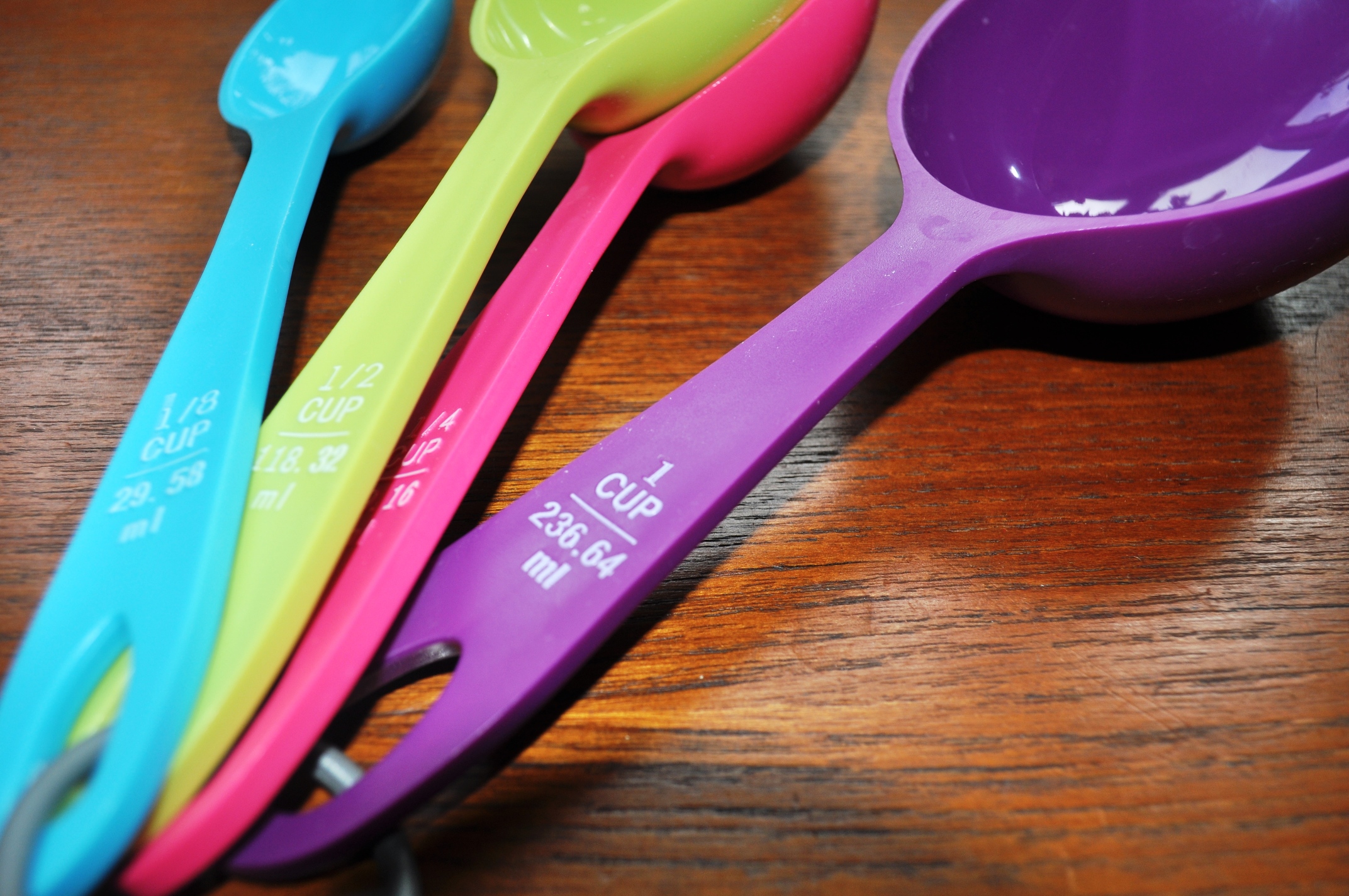
Converting one US cup of flour into grams is open to disagreement too. Online sources give the flour weight as between 120g and 150g. I’ve got a cup measure – marked as 236.64ml, the customary US cup size* – and in a very scientific experiment involving filling it with flour, tapping it to settle it then smoothing off the top, I got 144g. Then I did it again and got 133g. This variable is due to how compacted the powder is, and is one of the reasons using weighing your ingredients is, frankly, more accurate. So anyway, let’s say 140g. So 2t to one cup is 2t to 140g (or 1t to 70g).

Cup measures

Then there’s the whole question of how many grams are in a teaspoon of a powder like baking powder. Again, sources differ online. But a teaspoon is 5cc/5ml (even in the US it’s basically the same, 4.92892159375ml**). Doing another quick, very scientific experiment, I filled my 5ml teaspoon measure with baking powder, smoothed it off, and weighed it. I did the same with baking soda. Both came in at just shy of 5g, so 5g is good enough for me.

Now, I work in decimal and percentage terms, having grown up with silly old ounces and whatnot but left them behind when I discovered the comparitive simplicity of metric measures. It’s so much easier when you’re converting and scaling recipes too.

The percentages you want of the above suggestions of teaspoons per grams would be based on the combined weight of the two ingredients, ie how many percent is 5g (1t) baking powder of the 115g of flour plus baking powder?

Here are all the abovementioned amounts in percentage calculations:
5g of 75g = 5 ÷ 75 x 100 = 6.7%
5g of 80g = 5 ÷ 80 x100 = 6.3g
5g of 115g = 5 ÷ 115 x 100 = 4.3%
5g of 205g = 5 ÷ 205 x 100 = 2.4%
(figures rounded)

Personally, I’m inclined to split the difference, and indeed some older notes of mine say 4%, and another person online breaking it down comes out with 4.5%. So averaging out the above figures, you get 4.9%. For the sake of ease, let’s say 5%.

So if a recipe calls for 250g of self-raising flour, and you only have plain, you need 5% of that 250g to be baking powder. That’s 12.5g of baking powder. So 12.5g BP added to 237.5g plain flour makes 250g stand-in self-raising flour. Even a digital scale, however, doesn’t usually do half grams, so let’s say 12g to 238g. And if you really want to short-cut it, just use 2 well-filled teaspoons to the 238g.

Thrilling!

Cup plain flour

* A US legal cup is 240ml, an Australian/NZ etc cup is 250ml.
** Technically a US teaspoon relates to another strange archaic measure – it’s 1/3 US fluid dram.

38 Comments

Filed under Baking, Flour & grain, Misc

Fine apples, rotten consumerism

Pie with cream

When we got back from our travels just before Christmas, we travelled back and forth across the south of England on the train visting family. I’ve got a vivid memory of looking out of the window into gardens backing onto the train line, and seeing numerous apple trees, leafless in the winter cold, and surrounded by a carpet of rotting fruit.

When we finally moved back into our own house in Sussex, a similar sight met us with a tree in our garden. Clearly our tenants hadn’t been into apples. Or maybe they had – but like so many people, were inclined to buy plastic bags of New Zealand or South African or French (!!!!*) apples from the supermarket and ignore the free fruit growing just outside their own door.

Britain has been going this way for decades now. And it’s a great tragedy. Britain, especially the south of England, has an ancient history of apple growing. Cider is synonymous with Devon and Somerset, for starters. Yet I’ve got another strong memory of driving through Devon and stopping for a picnic – beside an orchard of mature apple trees, one of them vast like an oak, all of them dropping their fruit into a rotting carpet in the grass.

Rotten to the core
It’s not just the fruit that’s rotten though, it’s the supermarket-dominated system that somehow believes it makes more business sense – which is different to actual sense, common sense, or future-of-the-human-race sense – to waste or neglect or our produce that is.

Or, as Paul Waddington says in Seasonal Food, “… if a kilo of apples has made the flight from New Zealand in March, are they really going to taste as good as the stored British variety?  … are the New Zealand apples really worth the kilo of CO2 they will produce compared to the 50g if the same kilo were sourced locally. Despite the fact that we grow perhaps the best apples in the world, Britain has lost 60 per cent of its apple orchards since 1970,  thanks in part of the bureaucratic madness that paid growers to dig them up.”

The past few years we’ve at least been discussing the waste that goes into supermarkets only selling standardised fruit and veg (apples and tomatoes of ruthlessly controlled sizes and colours, carrots without protrusions and nobbles, bananas with very specific curves,  etc). But is it already too late? Most of us have already forgotten what it’s like to eat seasonally, never mind the brainwashing that arrises from only ever encountering these cosmetically “perfect” supermarket products. We’re so out of touch with food production. I mean, when was the last time Britons en masse grew their own fruit and veg? Probably during the Second World War’s Dig for Victory, with perhaps some efforts in the 1970s inspired by The Good Life.

Apples, Lewes Friday market

World leaders in apples
As with most things in life, all it needs is a little more education, and if people are better informed that can have a bearing on market forces. After all, as Waddington says, “We should be world leaders in apples. With judicious use of varieties and good storage, we can east our own produce almost all year round, with perhaps a brief gap in July.”

Now, it’s January, and the apple harvest here in England, usually August to October, is fading into a distant memory on the far side of Christmas. And yet, my local farmers’ market has one stall, Greenway Fruit Farm, that has a wonderful selection of apples. All are priced at £1.50 a kilo – which isn’t bad, as a quick scoot round mysupermarket.co.uk indicates all the UK supermarkets are selling apples at around £1.75 -£1.99 a kilo.

Last year, Britain had a “bumper apple harvest” after a dry summer, so there really is no excuse to not be eating home-grown apples his year. Not all of these apples will necessarily be cosmetically so shiny shiny, but then real apples, grown through traditional means without gallons of toxic sprays and without a wax-job, will never look like those silly massive red things you see in American movies.

Sheer variety
We have 2,300 varieties here (listed in The National Fruit Collection in Kent; there 2,500 grown in the US, for comparison, and 7,500 worldwide) and they vary remarkably in appearance, flavour and use. Some great for eating, some for juicing, some for cider, some for cooking.

Last week, I bought a good selection of Braeburns for eating. This variety is synonymous with NZ, where is was emerged in the 1950s near Motueka (a great place for fruit and hops), a Granny Smith-Lady Hamilton cross. It’s been grown here since the 1990s though, really coming into its own in the 2000s. Its popularity is understandable as it’s a medium-large, green and russet colour fruit with a crisp bite and taste that somehow blends sweet and tart, and can be a dessert apple and a cooking apple.

For cooking, however, I also stocked up Bramleys. This variety was, perhaps surprisingly, developed from a seed planted only in 1809 by a girl in Nottinghamshire. They were first sold commercially in 1862, soon becoming established as a significant crop. The original tree is still bearing fruit.

These are the quintessential British cooking  variety, accounting for 95% of our cooking apples. Usually I get mine from my folks, who have a very handsome mid-sized tree in their garden that really cranks out bright green, occasionally pumpkin-sized fruit. The ones I bought on the market were a bit different though – the Greenway lady was excited about them as they had an unusual amount of red on their skins. They certainly worked wonderfully for an apple pie.

Pie with ice cream

As English as apple pie
The recipe I used this time was from Andy Bates and his Street Feasts TV shows, which we’ve been enjoying on Freesat since we got home, got settled and got a telly. It features a slightly unusual pastry that eschews the more typical necessity for cold, cubed butter. Instead, butter and sugar are creamed together, egg is added, then self-raising flour – as such it’s more like a cake batter, though drier. The final results are more cakey too, with a more spongy crumbliness than a traditional short crumbliness. It’s rather good.

His recipe also uses a filling that’s not too sweet. In the show, he explained that’s because he’s pairing it with an ice cream made with condensed milk and hokey pokey (aka honeycomb, you know, like the stuff inside a Crunchie bar). I did make the ice cream – it’s easy, with no custards, no churning, but it is insanely sweet, and his quantities are weird, there’s way too much honeycomb. You can find his original recipe here; if you do fancy making the ice cream, I’d recommend halving the quantities of honeycomb.

Here’s the pie recipe:

Pastry
200g butter
200g caster sugar
1 egg
1 yolk
325g self-raising flour

1. Cream together the sugar and butter. The latter can be at room temp, or even warmed a little to make it easier to cream. I tend to nuke cold butter for a  few seconds in the microwave, or if I’m using a metal mixing bowl, put in a low heat on the hob briefly.
2. Beat together the whole egg and egg yolk.
3. Cream the egg into the sugar-butter mixture.
4. Sieve the flour into the creamed mixture, combine and bring it together as a dough.
5. Wrap up the ball of dough in plastic and put it in the fridge to rest, for about an hour.
6. Make the filling.

Filling
1kg Bramley apples (about 5 or 6 medium-large ones)
50g butter
50g dark soft brown sugar
1 t ground cinnamon
Juice of 1 lemon

1. Peel, core and chop the apples into 2cm-ish cubes.
2. Warm the butter, sugar, cinnamon and juice together in a saucepan.
3. Add the apple pieces to the sugar mix and cook for about 10 minutes, stirring regularly to soften the chunks equally.
4. Cool the apple mixture.

Assembly
Water
Milk
Caster sugar

1. Preheat the oven 180C.
2. Cut a third of the pastry off the ball.
3. Roll the two-thirds chunk and use it to line a tin – in the show he used a 23cm loose-bottom cake tin, but Fran’s colleague in Rome lost mine (grrrr. Still annoyed about that, can’t find a non-non-stick replacement), so I used a 25cm loose-bottomed flan tin. You could use any sort of tin, around the same size (9-10 inches for you olde fashioned types).
4. This doesn’t need blind baking, so just add the cooled apple mixture.
5. Roll out the remaining pastry and cover, sealing the edge with water. It’s not the easiest pastry to roll, but don’t worry too much, it’s so cakey, it bakes fine even if you bodge the pastry case together in pieces.
6. Crimp the edge.
7. Brush the top with milk and sprinkle with caster sugar.
8. Bake for about 45 minutes, until nice and golden.
9. Leave to stand for about 10 minutes before serving.
10. Serve with his crazy sweet ice cream (seriously, I’ve got a sweet tooth, but that stuff was too much even for me), or some plain vanilla ice cream, or cream, or custard – whatever you fancy.

Most importantly, make it using local apples.

I urge you to track down local apples, support your local economy, support local producers, support your national economy, reduce the pollution of absurd food transportation.

If you don’t have an apple tree, family or friends may have one they don’t harvest. Or you could politely scrump some by asking a neighbour. Even if the fruit looks ugly, it could be very tasty – and great for cooking up. And it’s free.

Alternatively, stock up at a farmers’ market or farm shop. Failing that, ask for British apples in your supermarket. You should at least be able to find Bramleys as they store well and are available all year round.

China already produces 40% of the world’s apples. Britons, I ask you: in ten years, wouldn’t you rather the apples available to you in your local shop or market were actually from our own once great apple-growing nation than from the country whose incredible industrial drive and growth is rapidly taking over pretty much everything?**

* I’m using the !!!! to indicate a “For flipping flip’s sake” moment as this country is not only just across a thin stretch of water from us, it’s in the same hemisphere with the same flipping seasons.

** Don’t get me started on pine nuts – I can’t find any pine nuts in Britain that are grow in Europe. Or even the US. They’re all from China. It’s boggles me, yet most people don’t even seem to notice.

5 Comments

Filed under Misc, Other food, Pies & tarts, Puddings & desserts

Go west, middle-aged man!

Done so much, seen so much, eaten so much, drunk so much since last post, hard to know where to start.

How about some of the amazing wildlife we’ve seen?

So, in vaguely chronological order: mule deer and a bald eagle, from the window of the California Zephyr, the train that took us on an amazing 25 hour journey from Denver, through the snowy Rockies and mud deserts of Utah, to Truckee; en route I enjoyed Pale Ale from Sierra Nevada Brewing Company, the Californian operation that’s one of the US’s biggest craft brewers.

image

A red-tailed hawk skimming low over our heads in a frosty meadow in south Tahoe; we saw bear prints in the woods nearby, before arriving back at our friend Cameron’s street to see a black bear and her cub just over the street. In Tahoe, I drank Moose Drool from Montana.
image

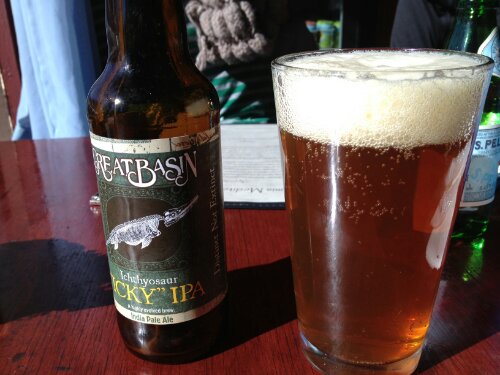
Then Great Basin’s Icky IPA, named after Nevada’s official state fossil the ichthyosaur (delicious, but served too cold as usual, so I had to warm it in the sun); “Distinct not extinct”.
image

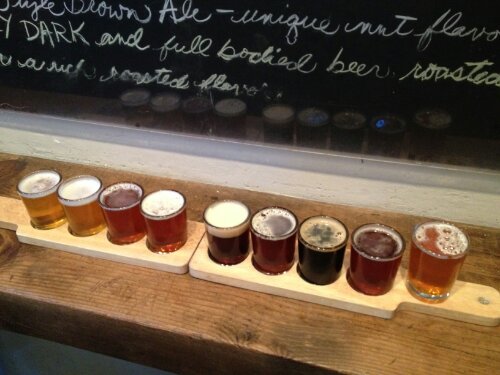
We also visited The Brewery at Lake Tahoe brewpub and sampling all nine of their delicious wares.
image

I also ate a serious cinnamon bun from Sugar Pine Bakery to give me a sugary-carb hit before we went and lost money on the blackjack (aka 21) tables in a casino over the Nevada state line and got our money’s worth from a House of the Dead III machine.

Lake to sea
After a few fabulous days in Tahoe, we continued our westward journey, towards the California coast. As Cameron drove us towards her hometown of Carmel, we saw our first coyotes. I know these are pretty common in the western US, and considered a nuisance by many, but Brits like me get excited about such large fauna as we killed off such impressive animals as bears, wolves and lynx centuries ago. Plus, well, I love foxes, and coyotes are their big canine cousins: real survivors.

In Carmel we saw hundreds of cormorants and pelicans (again, common there but pretty exotic for us), as well as my first ever (sea) otters, all during a walk on the glorious Point Lobos. The latter were especially engaging – six or so, all snoozing in the kelp beds, floating on their backs and holding hands.

image

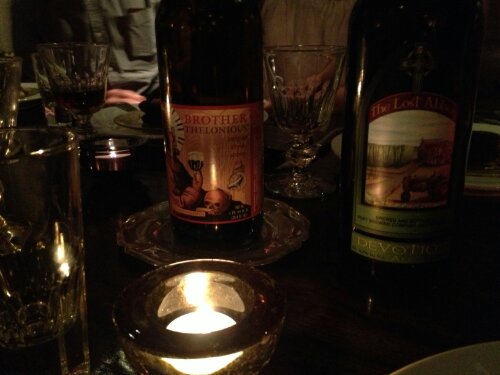
In Carmel, I drank sundry beers, including Laguinitas Little Sumpin’ Wild Ale, which was strong (8.8%) and pleasingly, crisply bitter; Brother Thelonius from North Coast Brewing, a strong (9.4%) dark ale, reminiscent of slightly charred toffee apples; and Devotion Ale from The Lost Abbey, a sweet blonde; amongst others.
image

We also tried to visit Post No Bills in Sand City, but were too early. Phooey, thwarted!

Big Surring
Somewhere we did visit, however, was Big Sur. This is a really special area that reminded me a bit of one of my fave places: the north of New Zealand’s South Island. Both have a rugged beauty, partially shaped by humanity but mostly defined by ocean and forest. On a hike in Andrew Molera State Park we saw more red-tailed hawks as well as another iconic American raptor, the turkey vulture.

image

Beforehand, I’d fuelled up with the biggest, most amorphous almond croissant ever, from Big Sur Bakery. It was mighty good with a filling that was more crunchy than the usual almond paste.

Afterwards we had lunch at Nepenthe, a restaurant in a location once fleetingly owned by Orson Welles and Rita Hayworth that has incredible views but food that needs a bit of an injection of energy.

image

They had some great beers though, including the wonderfully named Eye of the Hawk from Mendocino brewing, another strong (8%) ale, this time coppery and warmly malty.

image

Later on, we even fitted in a quick visit to Big Sur Taphouse, in the same stretch as the bakery.
image

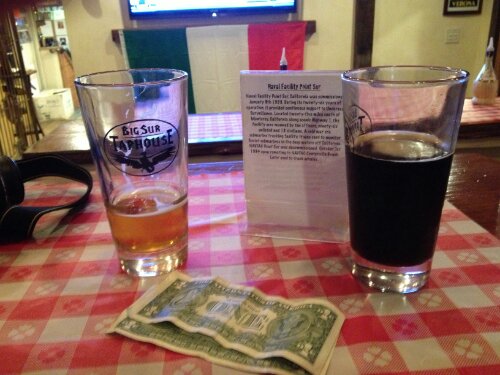
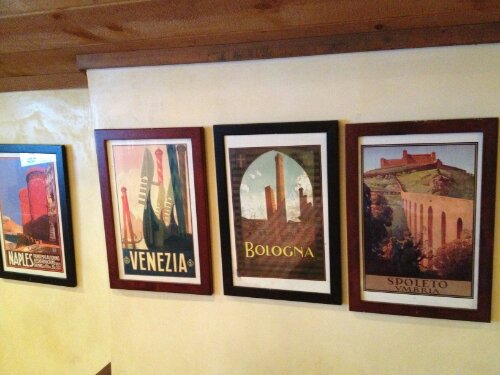
Pictures on the walls and a flag were Italian, but we drank local beers before buying some bottles from the amazing selection in the general store next door. Jeez, I wish British corner shops had such enthusiasm with their beer stock.

Oh, and I know I’m straying even further from my remit, but an honorable mention to Lula’s Chocolates for their Dark California Toffee: toffee, coated in dark choc, sprinkled with almonds. Best chocolate we had, and we we’ve been sampling a lot.

A bigger city
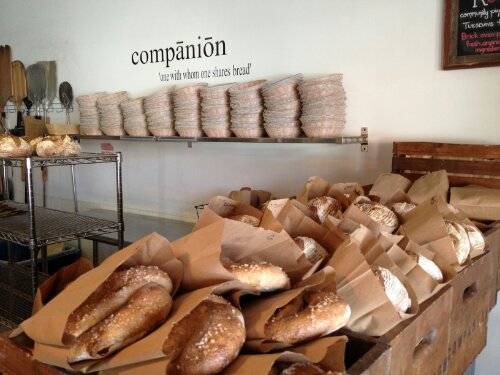
We’re now back in the big city, San Francisco, having said goodbye to Cameron, our ever-generous California host, on Wednesday night. We drove up via Santa Cruz, having a quick stop at the likeable Companion Bakeshop (handsome piles of breads, cookie far too earnest and 1980s-Cranks, tomato and onion tartlet underseasoned and soggy bottomed).

image

As Cameron and I met at the kitchens of the American Academy in Rome, it was fitting that our final dinner together was at Chez Panisse, the restaurant founded by Alice Waters, who also set up the Rome Sustainable Food Project at the Academy.

I must admit the food couldn’t quite live up to the hype (things rarely do), but I did have an excellent beer as an aperitivo: Proportional Response from The Rare Barrel. This brewery – also in Berkeley, like the restaurant – specialises in oak-aged sour beers. I usually loathe oakiness in wine, but this stuff was great – smoothly sharp, acidly mellow.

Having seen a few photos recently in which my 40-something-not-getting-enough-exercise-belly is coming along nicely (tall skinny man with a beergut – never a good look), I managed to go a day with our bread, cakes or ale yesterday (almost – had a cookie), but we did have a great walk around the city.

I’m loving California, but I do struggle with a car-oriented lifestyle; I just love to walk around and SF is a perfect place to do that. Cameron’s mum had kindly given us tickets for the de Young Museum’s David Hockney: A Bigger Exhibition. The show was largely about Hockney returning to his native Yorkshire after 25 years living in California and as such provided a perfect connection between dear, soggy, verdant old England and this magnificent state.

http://hockney.famsf.org/sites/default/files/styles/big_preview/public/preview/08A01_cropped.jpg?itok=cfHMSYWU

We’ve got a few more days in SF now, before heading to NZ. I meant to get up early this morning and go to the much-praised Tartine, but I suspect we’re too late now as I’ve been doing this blog, having the usual fight juggling three devices and trying to sort all the pics and links.

We’ll see what the next few days hold. Sadly, I was way too late to get on a tour at Anchor Steam Brewery (thwarted again). Shame really, as I’m really keen to ask a US craft brewer about the whole issue of serving their brews at fridge temperature (4C, or 39F) compared to “cellar temperature” (8-10C, 46-50F).

6 Comments

Filed under Ale, beer, American beer, Bakeries, Bars, pubs etc, Discussion, Misc, Restaurants etc, Travelling

Thin air, good beer

And a little sunburn.

Bear Lake, Rocky Mountain National Park Colorado

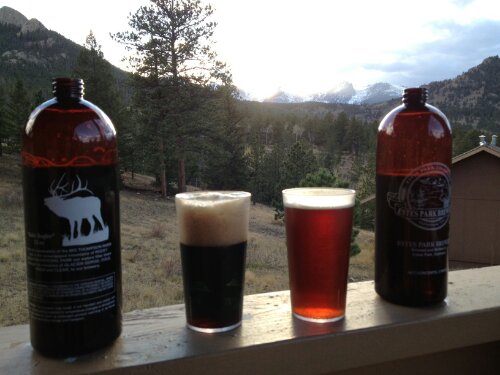
We’re currently in Estes Park, on the edge of Rocky Mountain National Park, an area just recovering from terrible floods in September. Today we’ve had an icy walk around a lake at 2888m (9475ft), played some crazy golf and stocked up on beer from Estes Park Brewery, which is at an altitude of 2292m (7522ft). This tickled me as Dartmoor Brewery claims to be “England’s highest brewery” – at 1465ft, that is 447 in sensible, modern metre measures.

Baby Bugler 2 pint bottles of Estes Park Porter (left) and Redrum Ale (right), with Rockies sunset

The air is thin for us lowlanders, but the beer is good, especially when drunk on the veranda of our cabin with the sun setting and coyotes howling. (It’s also the elk rut and we’ve had a lot of their eerie bugling. I even cooked dinner on our first night here with these massive deer grazing just outside the window.)

The Shining Ale, Estes Park brewery

Really enjoying the brewery’s amber ale, named Redrum ale. Yep, we’re in The Shining territory. Stephen King was inspired to write his classic story while staying in room 217 at the Stanley Hotel in Estes Park. The brewery even does a The Shining beer to further milk the connection – especially in this run-up to Halloween, a festival that reaches bonkers proportions in the US, compared to the UK’s more traditional shifting of Samhain/All Souls’ Day/Halloweeny activities to Bonfire Night, 5 November.

Tomorrow we head downhill again, but only to Boulder – a town that’s already a mile high. And has 25 breweries within county limits. I don’t think we’ll be visiting them, as we need more child friendly activities, but maybe I’ll be able to try a few brews in passing.

1 Comment

Filed under Ale, beer, American beer, Misc, Travelling

A British Captain America tea party

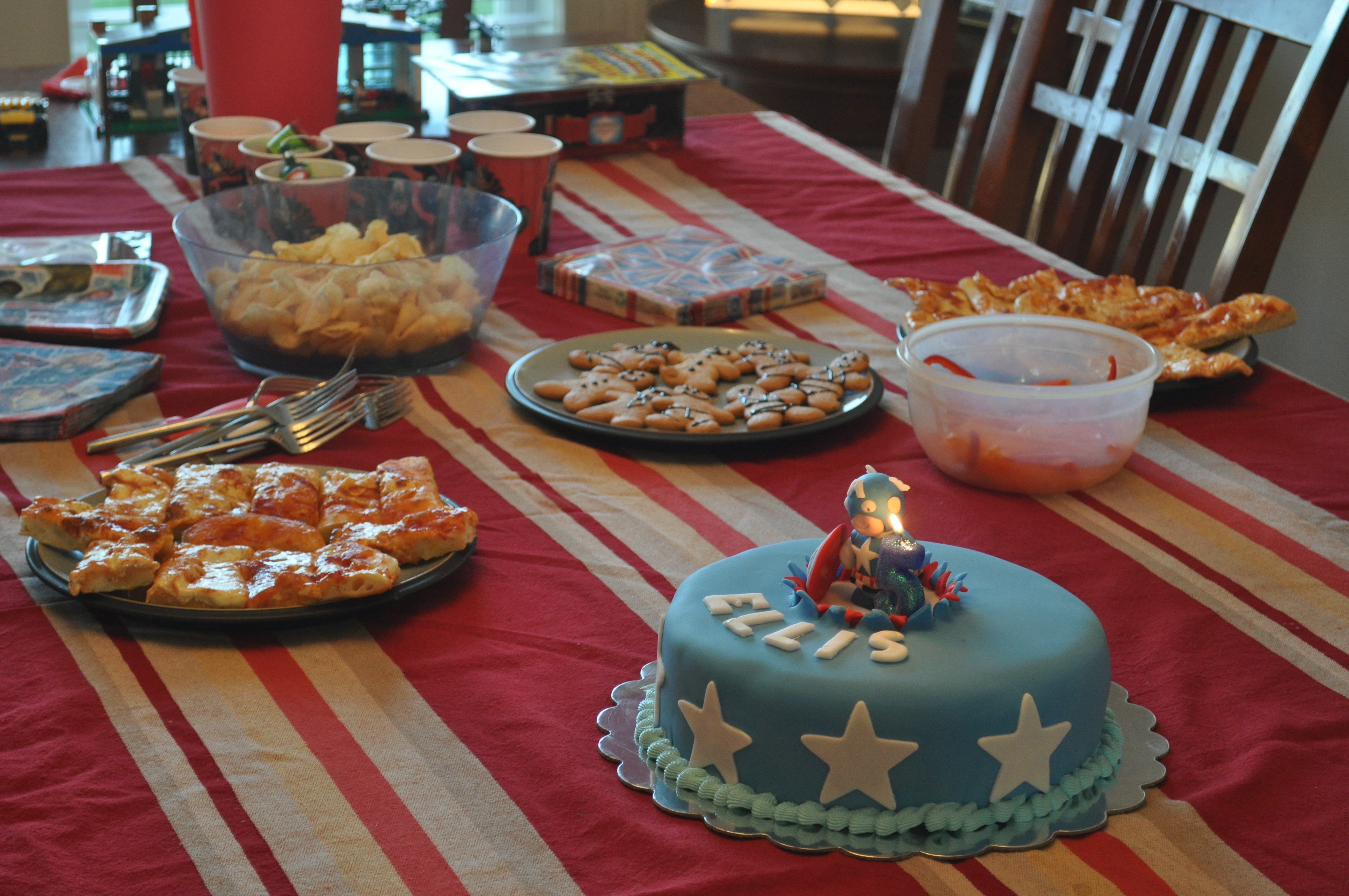
Spread, lit candle

Our young nephew Ellis turned five on Monday. He’s a little bit obsessed with superheroes, particularly Captain America. He spends a lot of time in a Captain America outfit. He must be the only Captain America with an English (/slightly Welsh/slightly midwestern) accent.

Although I’m really not a cake decorator, and I really really really don’t like artificial food colourings, I couldn’t say no when sister-in-law Sharon said we had to make Ellis a Captain America birthday cake. Especially as I’m a big comics geek.

Captain America sugar paste figure

This involved a late-night session making one of those cake-dec bobble head figures. It was a collaborative effort: I did the head and some trimmings, Sharon the body, Fran the shield. We were all quite pleased with it. Partly as it was fun to do, but partly as our Captain America is amusingly portly, like he’s retired and taken to the beer. Even his belt and the stripey part of his costume looked more like a girdle or corset. Oh, and we’d had a little booze too: the girls on local Missouri wine from Pirtle in the historic town of Weston, me on beer from Boulevard Brewing Co in Kansas City (which is also in Missouri, mostly).

Really enjoying their bottle-conditioned beers. (I’m drinking one now too.) Like the sound of the brewery too. “Boulevard’s mission is simple: to produce fresh, flavorful [sic] beers using the finest traditional ingredients and the best of both old and new brewing techniques.” That’s what I like to hear.

Slightly bemused that US beers seem to have to carry the government health warning but don’t have to include the ABV on the bottle though.

We’ve tried Boulevard’s Unfiltered Wheat Beer, which is 4.4% according to the site, and surprisingly mellow for a wheat beer. Apparently it’s also the “best-selling craft beer in the Midwest.” Their 5.5% Pale Ale, meanwhile, is also pretty mellow, but with a really well balanced hoppy tang and caramel maltiness. As for what I’m drinking now – not sure. The brother-in-law said the label came off after a session in the chilly bin/eski/cooler/cool box (delete according to nationality) and he can’t remember; and I can’t find it on the brewery site.

Covering cake

Anyway.

The cake. Although I can’t really eat coloured sugar paste, I made a nice chocolate cake underneath. I used one of my favourite recipes. It’s originally based on a cardamom cake by Mollie Katzen of Moosewood, but it’s such a great recipe it can be varied according to inclination and occasion. Here’s a metric version of the original US recipe on Cake-off, a site I used to do with my friend Jo. The chocolate version I did left out the nut mix, and replaced about 50g of the flour with cocoa. I also added some finely chopped dark chocolate. It’s such a good cake: dense but moist.

Ellis Capt America

For the party we also did some pizza. This was an interesting challenge, as was making a loaf of bread later on. Like when I first moved to Italy, I find myself in a country where the types of flour, and their packaging, are entirely unfamiliar. And here a lot of the flour is made with GM grain. At least a badge that indicates the non-GMO options seems to be a legal requirement.

Heidi pizza

A lot of the flour, sadly, is also bleached, and packed with gratuitous additives. Still, there’s also some organic available – even in the dreaded Walmart, that poster child for the problems of the industrialised food chain and a place I visited for the first time this week.

Perhaps more problematic in practical, rather than ethical, terms, however, was the way the packages labelled protein content – there was no percentage. So I really couldn’t get a great sense of what was a high protein bread flour. Still, Fran did a sterling job of making pizza dough… until we baked it and managed to totally burn the bottom of one. Our oven in Rome similarly had very fierce bottom heat, but Sharon was possibly even worse; never mind any confusion from being faced with ye olde daffy Fahrenheit after years of using nice sane Celsius.

Still, it all went off well. The cake was a hit with Ellis and the kids; the (unburnt) pizza was avidly consumed, with several of the other ex-pats here being very appreciative of a freshly baked bread product; and me and Sharon even managed to make a decent wholewheat tin loaf too.

Oh cripes. Another rambly post. I’m sorry. I’m not sure I’ll get any structure or succinctness back into this site until I’m settled back in England at the end of the year…

7 Comments

Filed under Cakes, Misc, Pizza

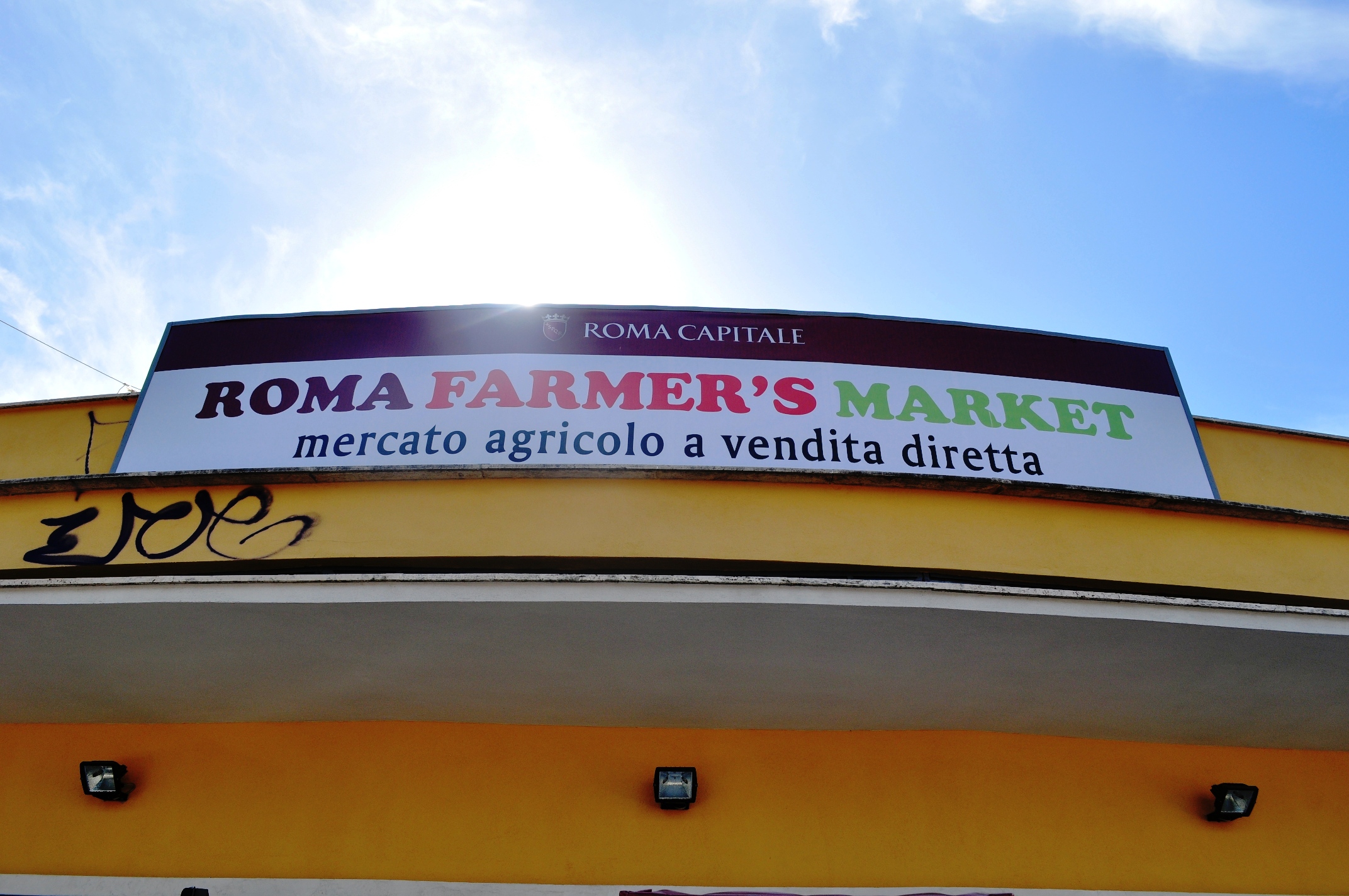
Garbatella Farmers’ Market and the new Ponte della Scienza

Ponte della scienza and gasometer, Rome

Rome hosts two large-scale weekend farmers’ markets: one near Circo Massimo (Via di San Teodoro 74) and one that used to be in the Ex-Mattatoio (former slaughterhouse) in Testaccio. In April 2013, however, the latter was relocated further south, away from the centre, to Via Francesco Passino in Garbatella.

We were kinda gutted when this happened, as going to the Ex-Mattatoio market had become a weekend routine. Garbatella, however, is just too far away to be practical when we do everything on foot or by bike. There is still a market and organic shop at the Ex-Mattatoio, with its Città dell’Altra Economia (“Alternative economy city”) so we continued going there, as it’s a great spot. Though it lacks the range now.

This weekend, however, we decided to venture down to Garbatella, to check out the new market and see what baked goods, etc, are available. En route, we wanted to check out the Ponte della Scienza, a new pedestrian and bike bridge that’s been built across the Tiber here. Last time we tried to check it out, it looked finished, but wasn’t open. Now it’s finally open: but it doesn’t really go anywhere or connect to anything.

Ex-industry 2

It took them five years to built it, but, in classic Roman fashion where bickering extremist politicians, corruption, and piss-poor-to-non-existent communication between departments seem to be the norm, there just isn’t any infrastructure on the east side, and there’s very little on the west. There’s no promotion, no information, no signage, and just the usual Roman garbage building up-on the new stairways. Great job, Comune di Roma!

Yet, the bridge is still a great opportunity. You can access it from the foot and bike track along the west bank of the river, and it takes you across to the wonderful old industrial area that includes gasometers, hoppers, water towers and, best of all, Rome’s finest museum. This is the Centrale Montemartini, an annex to the Capitoline museums where ancient statuary is sited among turn of the 19th century turbines and generators in a very handsome art nouveau power station.

Gasometro

We were very bemused when we crossed the bridge, turned right (south) down a promising new stretch of asphalt, thinking it would take us towards the museum, but instead met another cyclist who said “It’s blocked”. So we turned around, went north, and found ourselves leaving the small stretch of new road, cycling through a building site, and emerging onto Via del Porto Fluviale. This is the location of the kinda-cool, kinda hit-and-miss Porto Fluviale, a beer bar and pizzeria that exemplifies the redevelopment going on in this area of Ostiense.

It looks like the Ponte della Scienza work isn’t quite finished yet, but I’m not holding my breath for any rapid progress.

Still, we crossed Via Ostiense, passed Eataly, and headed on into the charismatic Garbatella. This is a very distinctive quartiere, developed in the 1920s and in part inspired the garden city movement: the late 19th century urban planning philosophy based on creating environments that nurtured community through open spaces, greenery and self-sufficiency.

Garbatella Farmers' Market

The farmers’ market is now located in the building previously occupied by the daily market. As well as spending a load on a new bridge that doesn’t go anywhere, Rome’s planners seem to enjoy moving markets around too (cf Testaccio; Piazza Vittorio/Esquilino). It’s a handsome building, though I can’t find any historical info about it. I’d guess it was either 1930s or 1950s, but the interior’s been renovated.

Garbatella Farmers' Market - interior of building Garbatella Farmers' Market - interior of building

Anyway, it’s not a bad site, with each stall having more space. And compared to the Ex-Mattatoio, there are no low-level metal beams or hooks for us tall types to brain ourselves on.
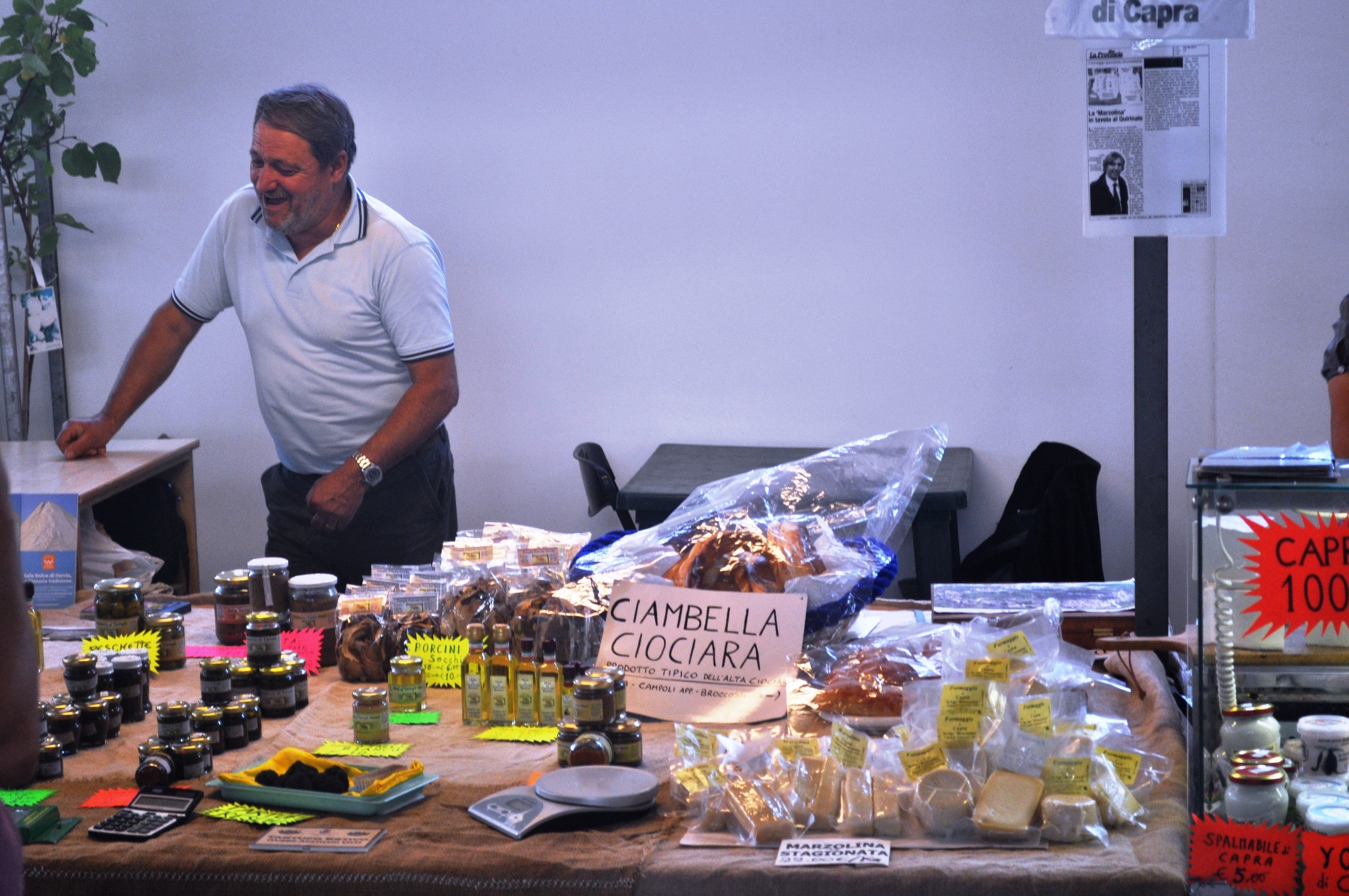
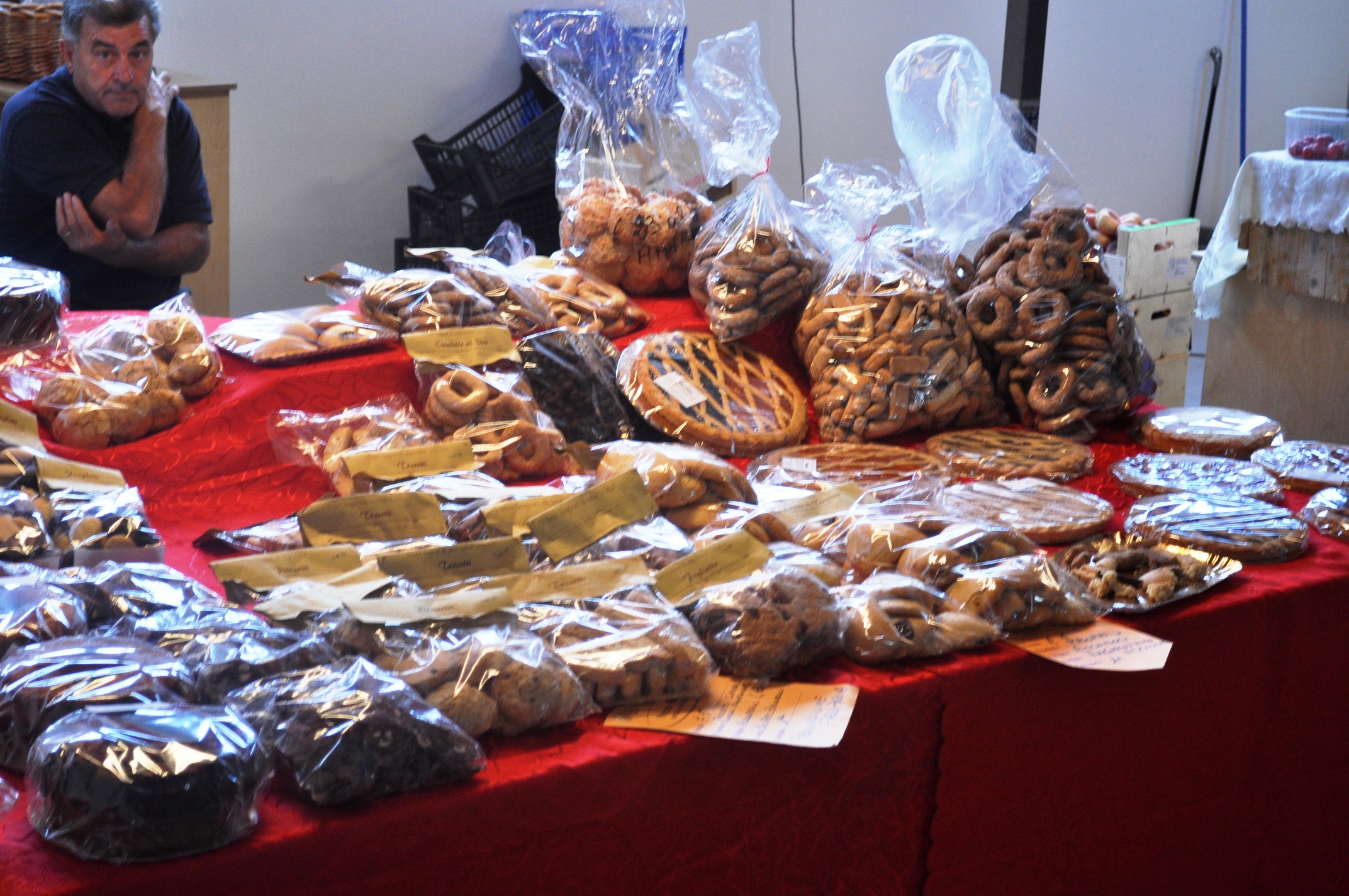
Most importantly, however, it’s packed with good quality, locally produced food. If you’re at all interested in, you know, a viable future for human civilisation, find your local farmers’ market! There you can buy food with a smaller carbon footprint than the contents of your local supermarket, which will mostly have been driven, shipped or flown hundreds or thousands of miles, so every mouthful comes with a climate-change puff of burned hydrocarbons.

Some food then

Pictures of mostly bread, cakes, biscuits. They do sell veg, fruit, dairy products and meat here too, but hey, this is Bread, Cakes and Ale.
Garbatella Farmers' Market

A ciambella is a ring-shaped cake or bun. Ciociara is a region of central Italy. No idea what’s entertaining the geezer though.

Boh

Not such a jolly guy. Selling, among other things, ciambelline – ring-shaped cookies. Bigger than those in my previous recipe.

Garbatella Farmers' Market

Some great looking bread. Love the giant loaf to the right of the insanely cheery looking cartoon chap.

Giant maritozzi at Garbatella Farmers' Market

The biggest maritozzi con la panna I’ve ever seen. These bad boys are least twice the size of the ones you normally see.

Our transportation

Transportation, Brompton folding bikes

Our transportation: the Brompton folding bike, which exerts a fair amount of fascinating in Rome, despite them not being uncommon here.

Info
Garbatella Farmers’ Market, Via Francesco Passino, 00154 Rome
Metro: line B, Garbatella; bus: 673 (Rho)

4 Comments

Filed under Breads, Misc, Other food

Back to the scene of the crime: some beer and snacks in Naples

Naples street food

Last time we went to Naples we enjoyed the pastiera and didn’t so much enjoy the pickpocketing. This time round there was, thankfully, none of the latter. Though because of the earlier experience we didn’t take a camera, and I kept neglecting to take photographs with my (crappy replacement-for-stolen) phone. Hence this one isn’t very well illustrated. Sorry – I realise food blogging needs fancy photography but, well…. Boh. È già.

Street food
Naples is a great city if you like stodge. Sure, it has amazing restaurants too, but the most tangible food, the food you’ll probably notice first – especially if you’re visiting the centro storico – is the street food.

Along Spaccanapoli and Via Tribunali are dozens of places selling, basically, deep-fried stodge. Who says Glaswegians invented deep-fried pizza? Apparently, there’s been stodgy, fried street-food in this ancient Greek then Roman town for millennia.

We tried a bread-crumbed, deep-fried pasta patty, a crochetta (potato croquette, with bits of mystery meat), and a sausage (with provolone in it) wrapped in dough and… deep-fried (possibly called “wurstel in camicia” – “vienna sausage in a shirt”). I love stodge and deep-fried food, but even I felt a bit wobbly after these items. (I would have been even wobblier if I’d been forced to try the tripe and lemon juice we saw for sale from a cart down by Castel dell’Ovo on the seafront.)

Naples street food

Ale
Later on, I fancied some beer (ofc). I’d tried looking up real beer places in Napoli, but I couldn’t really find any in the centro storico. Then we wandered past La Stanza del Gusto on Via Santa Maria di Costantinopoli. It’s basically in Piazza Bellini, which is a great spot for an evening drink, amid the dilapidated, graffitied, litter-strewn grandeur. Most of the other bars there, however, only serve industrial beers, which gave La Stanza the edge for us as it had a good selection of international real beer.

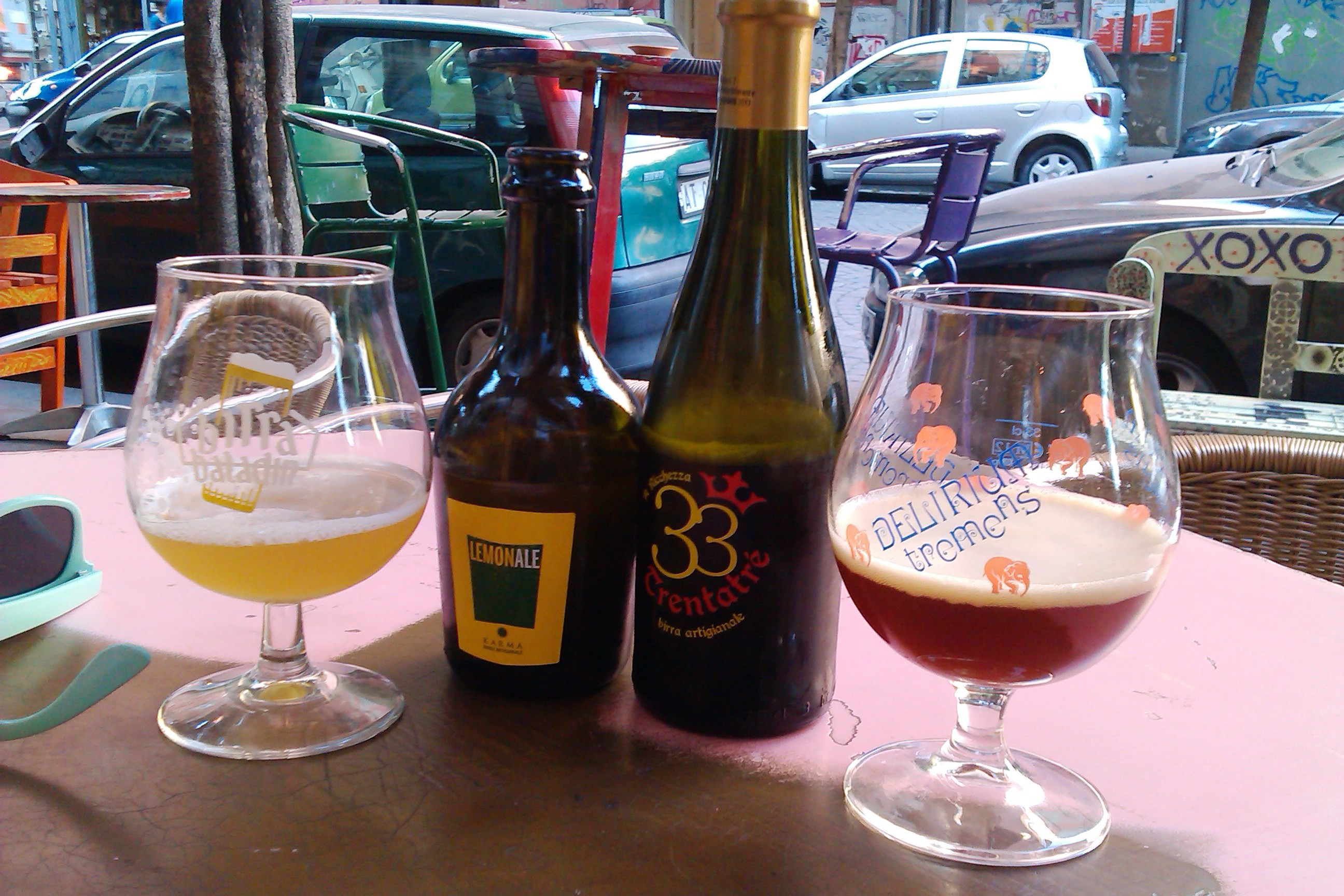
I always prefer to eat and drink local, though it’s especially nice to be able to do this with beer. When we asked for something Italian, and local, the helpful guy went behind the bar as if he was digging into a special stash and gave us a slightly strange sales pitch. Fran had a Lemonale, which he referred to as a bit “gay” (so not exactly PC).

Lemonale and Trentatre at La Stanza del Gusto, Naples

This is a top fermented beer from Birra Karma brewery, which is based in Alvignano, 45km north of Napoli. It’s a 5.5% ABV beer that’s made with water, malted barley, rye, organic honey, Fair Trade cane sugar, hops, spices and yeast: but no actual lemon. Despite this, it was very citrusy, a little sweet, with a smooth, even body and some coriander. Karma’s own site says it’s in the style of Belgian blanche. Very refreshing.

I had a Trentatré (33) Ambrate from AF Birra/Aeffe – another local Campania brewery, this time based near Salerno. Aeffe’s site describes it as a “Scottisch Ale” while the good old Guida alle birre d’Italian 2013 says it’s 6% ABV and made with Maris Otter barley malt, and refers to it being a beer “inspired by the English tradition”. Italians really aren’t very good when it comes to the whole English-British thing, with many using the former as a synonym for the latter (I’m constantly telling a highly educated historian friend there was no “English army” in WW2, it’s the “British army”).

Anyway, Trentatré  Ambrate has a rich amber colour, with a nicely balanced, deep, slightly fruity flavour of malts and bitter hops. Just to continue his un-PC strain of jovial chat, the waiter said this was a better beer to “picchiare la moglie” (ie, he was calling it “wife-beater” – a name used in England for Stella Artois, for some reason).

Just to get the most out of our aperitivo, we tried Karma’s own amber ale, called Amber Doll. This wasn’t quite as full-bodied as the Trentatré  and had a distinctly coppery flavour, with touches of chestnut.

Karma brewery's Amber Doll

Pizza
The following day, we met some friends. They live in Rome, but have local family, and they took us for a pizza for lunch. This was at Pizzeria Capasso Vincenzo, which is located by the old gate Porta San Gennaro on Via Foria, a large road to the north of the centro storico and one of the many places one can see the city’s famed modern art installations that look just like massive piles of garbage. They’re uncannily realistic.

The pizzeria itself is one of the many where you’ll see a sign saying “Vera Pizza Napoletana” – Real Neopolitan Pizza – with a picture of the city’s famed folk figure Pulcinella. This guy, with his clown-like white garb and black mask, is the predecessor of Britain’s children’s entertainment psychopath Mr Punch, with his proclivity for killing (his wife, their baby, the arresting police officer). Encouraging you to eat pizza is certainly a more benign activity. The signs are organised by the AVPN, a not-for-profit founded in Naples in 1984.

Vera Pizza Napoletana sign

Our friends said there were only really three genuinely Neopolitan pizzas on the menu: notably the Margherita, which legend says was created for Margherita of Savoy, queen consort of Italy’s King Umberto I, during a visit to Naples in 1889. Another was a calzone made with ricotta and prosciutto, which Fran had. She says “It was delicious and surprisingly light.”

Not so light, apparently, is the deep-fried version, which our friends warned us off – and indeed it looked massive, and coronary-inducing, when some other punters ordered them. I had another calzone, but this time with provolone, black olives and scarola (that is Cichorium endivia, curly endive, a form of chicory). Very nice it was too – with the olives providing a sharpness to contrast with the cheese and wilted greens.

Calzone at Cessano, Naples

Pastry
The following morning, we tried just one more local speciality before we moved on down the coast to get a bit of sun and reprieve from the urban madness. This involved going to Giovanni Scaturchio, a famed historical (“since 1905”) pasticceria (pastry shop) in the head of the centro storico, on Piazza San Domenico Maggiore.

Our friends insisted we have sfogliatelle. These pastries come in a few forms, though the most famous in Naples is the sfogliatella riccia, a name that literally means “curly many-leaves/layers”. And indeed the pastry is not unlike say filo, in that it’s been rolled and stretched very thinly, before being layered and rolled, and filled with a mixture of ricotta, almond paste and candied peel. We had one riccia and one made with pasta frolla – shortcrust pastry. The latter, at first glance, looks more like a brioche bun, but when eaten is clearly pastry not enriched bread dough, and is also filled with ricotta and peel.

We were so busy talking about it all, then trying to get the waiter to bring a knife, then cutting them up, that by the time I thought about taking a photo there wasn’t much left. So instead, here’s the picture from Scaturchio’s site:

Sfogliatelle from Pasticceria Giovanni Scaturchio

If you’re only in Naples for a few days, and fancy trying a distinctive local snack, I’d really recommend a good sfogliatella, or two. Slightly more refined than the deep-fried pizza sold on the street stalls. I’m saving that treat for next time we run the gauntlet of this astonishing city.

Info
La Stanza del Gusto, Via Santa Maria di Costantinopoli 100, 80138 Naples, Italy
+39 081 401 578 | lastanzadelgusto.com

Birra Karma brewery
+39 0823 869 117 | info@birrakarma.com | birrakarma.com

AF Birra/Aeffe brewery
+39 081 516 2434 | info@afbirra.com | afbirra.com

Pizzeria Capasso Vincenzo, Via Porta San Gennaro 2, 80138 Naples, Italy‎
+39 081 456 421

Pasticceria Giovanni Scaturchio, Piazza San Domenico Maggiore 19, 80134 Naples, Italy
+39 081 551 7031 | info@scaturchio.it | scaturchio.it

5 Comments

Filed under Ale, beer, Bakeries, Misc, Pizza

Pudding, boudin, budino and complex historical relationship between desserts and sausages

In my last post, I mentioned my attempt to make a boudin di ricotta (below). It either went wrong, or this retro cheesecake just wasn’t to my taste. Either way, one thing the dish got me thinking about was the word budino, which can be translated as “pudding”.

Budino di ricotta, baked

As anyone who’s interested in food, or eating, or sausages, or dessert, knows, the meaning of the word pudding can be little complicated. Likewise budino.

English has the word pudding, French boudin, and Italian budino. Surely these are all related? It’s agreed that the latter words come from the Latin for gut or intestine, botellus, which relates to the modern Italian word budella. English etymological dictionaries, on the other hand, suggest that the word pudding may comes from old English and German words for swellings and lumps (puducpuddek etc). Thankfully, other sources posit1 botellus as an alternative source too. The relationship seems too strong for the English word to not have the Latin root, surely?

Originally, pudding, budino and boudin all referred to much the same kind of product: sausages made with blood, meal, fat and animal bits (including ambergris, a sperm whale digestive byproduct), all stuffed into intestinal membrane and steamed or boiled.

Sanguinnacio

This sense of the word still exists in the things like the Scottish haggis, or the British black pudding, its French cousin boudin noir, and even an Italian cousin called sanguinaccio 2 (from the Latin sanguis, blood). Interestingly, though, the latter straddles both the older sense of the savoury pudding, and the modern usage, which more commonly refers to desserts. Italy has various versions of sanguinaccio, running the spectrum from full savoury sausage, to a chocolate pudding traditionally thickened and flavoured with fresh pigs’ blood at the time of slaughter to a basic chocolate pudding like a mousse, with nary a pig byproduct.

Pudding cloth boiled pudding

Although in British English, the word pudding has become almost synonymous with dessert, for me (I’m English), it more specifically refers to dishes that have been steamed or boiled.

Again, in the Middle Ages, food, specifically the food of the rich, would blend what we now consider very different flavours: the savoury with the sweet, meat with spices, salt and sugar. British mincemeat (as in Christmas mince pies) originally took this form, for example.

When one strain of the pudding evolved into savoury sausages, other strains evolved into desserts. The meat in the dish would have been reduced to fat in the form of suet or lard, while the grain, fruit, sugar and spices might have stayed. The animal membrane was replaced with a cloth, then latter a ceramic bowl, though the pudding was still cooked by boiling or steaming.

mason cash pudding basin

This path of evolution gives us things like British Christmas pudding, schoolboys’ favourite spotted dick, bread-and-fruit summer pudding and other dishes where even the fruit and spice has evolved out, such as one personal fave, treacle sponge pudding. Strangely, the word’s usage narrowed down even further in North American English, where, as I understand it, pudding just refers to mousse or custard-like deserts.

The abovementioned treacle sponge pudding is basically just a steamed cake mixture made with golden syrup (a gingery version of mine can be found here). If an equivalent type of mix is instead baked, then served as a dessert, it’s still a called a pudding (in BE). It may be long way from stuffed intestine but it’s still a descendant. We also still have savoury puddings in Britain, where a pastry crust is filled with meat and/or vegetables and steamed or boiled in a ceramic pudding basin (eg this one made with venison).

So any time Anglophones from North America and the British Isles find themselves arguing about the meaning of the word pudding – something we’ve done with a Canadian friend – bear this wonderful, convoluted history in mind!

Footnotes
1 From Etymonline: pudding (n.) c.1300, “a kind of sausage: the stomach or one of the entrails of a pig, sheep, etc., stuffed with minced meat, suet, seasoning, boiled and kept till needed,” perhaps from a West Germanic stem *pud– “to swell” (cf. Old English puduc “a wen,” Westphalian dialect puddek “lump, pudding,” Low German pudde-wurst “black pudding,” English dialectal pod “belly;” also cf. pudgy).

Other possibility is the traditional one that it is from Old French boudin “sausage,” from Vulgar Latin botellinus, from Latin botellus “sausage” (change of French b– to English p– presents difficulties, but cf. purse). The modern sense had emerged by 1670, from extension to other foods boiled or steamed in a bag or sack (16c.). German pudding, French pouding, Swedish pudding, Irish putog are from English.

2 You can find recipes for various versions of sanguinnaccio online. There’s a more savoury one here (and pictured above). And while this one is made using sausage casings, it’s more a dessert. While this one (in Italian) is decidedly a dessert, made with neither sausages casings or even blood: so basically a chocolate mousse.

2 Comments

Filed under Discussion, Misc, Other food, Puddings & desserts